
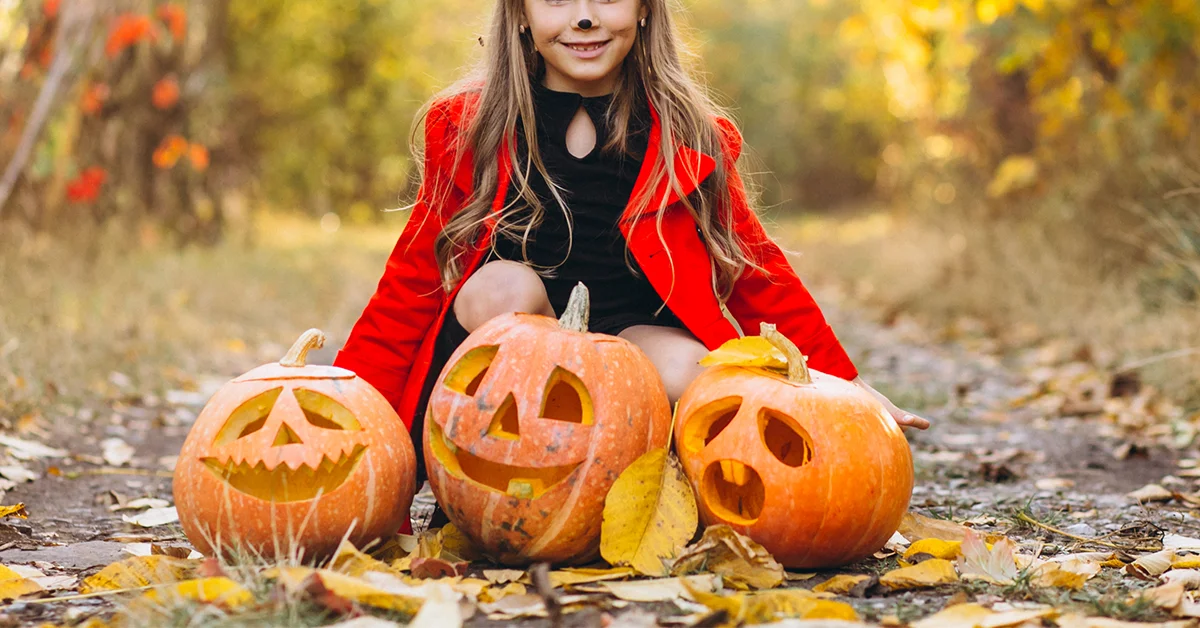

There’s something magical about pumpkins. For most, they’re a staple of autumn décor and a key ingredient in seasonal recipes. But for others, they carry a bit of fairytale magic—none more iconic than the Cinderella pumpkin. From the pages of storybooks to the center of fall celebrations, the has captured hearts worldwide. Let’s dive into its enchanting journey, explore its unique qualities, and discover how it brings both charm and fun to our lives.
ALSO READ: Unveiling Melba Manton: A Visionary Impact On Modern Art
The Fairy Tale Origins Of The Cinderella Pumpkin
The Cinderella pumpkin owes its fame largely to the timeless story of Cinderella. In this classic tale, a humble pumpkin transforms into a glittering carriage, carrying Cinderella to the royal ball. While the pumpkin itself is ordinary, the story imbues it with an air of wonder and possibility.
Interestingly, the pumpkin used in fairytales wasn’t based on a specific variety. Writers and storytellers often referred to large round pumpkins, letting readers imagine the perfect magical fruit. Over time, however, horticulturists identified a particular variety with deep ridges, vibrant color, and a slightly flattened shape that perfectly fits the storybook image.
What Makes The Cinderella Pumpkin Unique?
Cinderella pumpkins, also known as Rouge Vif d’Etampes, are prized for several unique qualities:
- Shape and Size: These pumpkins are often flattened and deeply ribbed, resembling the pumpkins illustrated in storybooks. Their dramatic, rounded form gives them a striking presence.
- Color: A vibrant orange-red hue sets apart from traditional orange varieties. This bold color makes them perfect for decorative displays.
- Texture: The flesh is dense, fine-grained, and naturally sweet, which makes it ideal for cooking and baking.
- Versatility: From Halloween décor to soups and pies, serve both decorative and culinary purposes.
Their magical appearance combined with practical uses is part of what makes a beloved seasonal staple.
Growing Your Own Cinderella Pumpkin
For gardening enthusiasts, growing can feel like cultivating a piece of the fairytale. Here’s a simple guide to help your pumpkins thrive:
Choosing the Right Location
Cinderella pumpkins need full sun and well-drained soil. They thrive in rich, loamy soil that retains moisture but doesn’t become waterlogged.
Planting Tips
- Timing: Plant seeds after the last frost, as these pumpkins are sensitive to cold.
- Spacing: Give each plant ample room to grow—about 4 to 6 feet between plants. Their vines spread widely and need space to flourish.
Care and Maintenance
- Watering: Keep the soil consistently moist but not soggy. Water at the base to avoid fungal diseases.
- Fertilizing: A balanced fertilizer every few weeks can boost growth and fruit development.
- Pest Control: Watch for common pests like squash bugs and aphids. Organic solutions such as neem oil or insecticidal soap often work well.
Harvesting
Cinderella pumpkins are ready to harvest when they achieve a deep, vibrant color and the rind becomes hard. Cut the pumpkin with a sharp knife, leaving a few inches of stem attached to prolong storage life.
Culinary Delights: Cooking With Cinderella Pumpkins
One of the best things about is their culinary versatility. Unlike some decorative pumpkins, their flesh is sweet, tender, and perfect for a wide range of dishes.
Soups and Stews
Cinderella pumpkin makes a creamy, naturally sweet base for soups. Simply roast the pumpkin, blend it with stock, and season to taste. The result is a comforting, fall-inspired dish perfect for chilly evenings.
Baking
The fine-textured flesh is ideal for pies, muffins, and bread. Its natural sweetness reduces the need for excessive sugar, making desserts lighter and more flavorful.
Roasting
Cut into wedges, toss with olive oil, salt, and herbs, and roast. The caramelized edges enhance the pumpkin’s natural sweetness and create a simple yet elegant side dish.
Purees and Baby Food
Cinderella pumpkin puree is smooth and nutrient-rich, perfect for baby food or as an ingredient in various recipes.
Decorating With Cinderella Pumpkins
Beyond the kitchen, are a favorite for seasonal décor. Their dramatic shape and bright color make them perfect for:
- Centerpieces: Pair with autumn leaves, candles, or gourds for a striking table display.
- Halloween Carving: Their size and thick flesh make them ideal for creative carving.
- Outdoor Displays: Place them on porches, steps, or garden beds for a whimsical, fairytale-inspired look.
Even without carving, these pumpkins add a touch of magic wherever they’re displayed, evoking memories of storybook charm and seasonal festivities.
Health Benefits Of Cinderella Pumpkin
Cinderella pumpkins aren’t just pretty—they’re nutritious too. Some of the key benefits include:
- Rich in Vitamins: High in vitamin A, vitamin C, and antioxidants, which support eye health and immunity.
- Low-Calorie Content: Ideal for weight-conscious diets while still offering a satisfying, sweet flavor.
- High Fiber: Supports digestion and promotes a feeling of fullness.
- Versatile Nutrition: Can be incorporated into soups, stews, baked goods, and smoothies.
Eating Cinderella pumpkin is a delicious way to enjoy both taste and wellness benefits during the fall season.
Fun Ideas For Incorporating Cinderella Pumpkins Into Festivities
The magic of the extends beyond décor and cuisine. Here are some creative ideas to make your celebrations more enchanting:
- Fairytale-Themed Parties: Use Cinderella pumpkins as invitations, centerpieces, or props for a storybook-themed party.
- DIY Pumpkin Crafts: Paint or decorate pumpkins for kid-friendly craft activities.
- Pumpkin Games: Create a “pumpkin bowling” or “pumpkin toss” game at autumn gatherings.
- Photo Opportunities: Arrange pumpkins in whimsical settings for memorable seasonal photos.
The possibilities are endless, and they can transform ordinary fall celebrations into memorable, magical experiences.
Tips For Storing Cinderella Pumpkins
Proper storage ensures your pumpkins last well beyond harvest season:
- Cool, Dry Place: Store pumpkins in a cool, dry area with good air circulation.
- Avoid Moisture: Moist environments can cause rotting.
- Check Regularly: Inspect for soft spots or signs of decay.
- Long-Term Use: With proper storage, can last 2–3 months.
This means you can enjoy their fairytale charm from autumn right into early winter.
Why Cinderella Pumpkins Remain Popular
Cinderella pumpkins have remained popular because they merge fantasy with practicality. They are beautiful, versatile, and meaningful. Their connection to a beloved story allows people to relive childhood magic while enjoying tangible benefits—delicious food, vibrant décor, and creative inspiration.
Whether used in storytelling, cooking, or decoration, evoke warmth, nostalgia, and festive joy. They’re a perfect symbol of how a simple fruit can inspire wonder, creativity, and celebration.
Conclusion
The Cinderella pumpkin is more than just a pumpkin. It’s a bridge between fairytale magic and real-life enjoyment. From its storybook roots to its culinary delights and decorative charm, this enchanting pumpkin continues to capture imaginations every fall. Whether you grow them in your garden, cook them in your kitchen, or use them as a centerpiece, bring a touch of magic to everyday life. Embrace their charm, get creative, and let the fairytale of the Cinderella pumpkin unfold in your home this season.
FAQs
What is a Cinderella pumpkin?
A Cinderella pumpkin, also known as Rouge Vif d’Etampes, is a vibrant, flattened, and deeply ribbed pumpkin variety. Named for its resemblance to the pumpkin in the classic fairytale, it’s prized for both its ornamental beauty and sweet, dense flesh suitable for cooking.
How do you grow Cinderella pumpkins?
Plant seeds after the last frost in sunny, well-drained soil. Space the plants 4–6 feet apart, water consistently, and use balanced fertilizer. Harvest when the pumpkin’s color is vibrant and the rind is hard.
Can Cinderella pumpkins be eaten?
Yes! Their flesh is dense, sweet, and versatile. They’re perfect for soups, pies, roasted dishes, and even purees for babies.
How long can Cinderella pumpkins be stored?
With proper storage in a cool, dry place, Cinderella pumpkins can last 2–3 months. Avoid moisture and check for soft spots regularly.
What makes Cinderella pumpkins different from regular pumpkins?
Cinderella pumpkins have a flattened shape, deep ribs, vibrant orange-red color, and naturally sweet, fine-textured flesh. They are ideal for both decoration and culinary uses, unlike some traditional pumpkins that are better suited for décor only.
ALSO READ: Father Campbell: A Voice Of Compassion And Guidance