
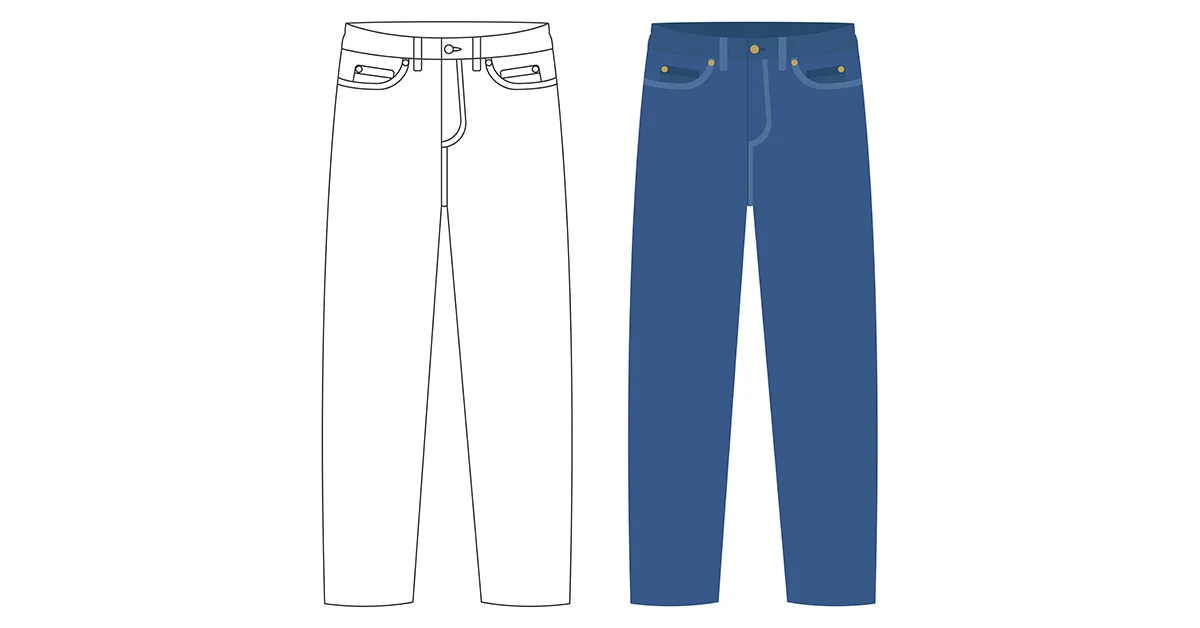

Pants Measurements shopping can often feel like a puzzle. Whether you’re heading to a store or shopping online, trying to figure out the right fit can be overwhelming. We’ve all been there—trying on multiple pairs of pants only to leave the store frustrated because nothing feels quite right. One of the biggest challenges is understanding pants measurements. Knowing your size and how to interpret different measurement systems can make all the difference in ensuring that you get the perfect fit.
In this comprehensive guide, we’ll walk you through everything you need to know about pants measurements. From understanding the basic measurements to knowing how to find your ideal fit, we’ll cover it all. By the end of this guide, you’ll feel confident in selecting Pants Measurements that fit perfectly, making your shopping experience smoother and more enjoyable.
ALSO READ: Staying Equally Yoked: The Power Of Balanced Partnerships
What Are Pants Measurements?
Pants Measurements refer to the specific dimensions of the pants that determine how they will fit you. There are three primary measurements that you need to understand:
Waist Measurement
Inseam Measurement
Rise Measurement
Each of these measurements plays a key role in the overall fit of the Pants Measurements Let’s dive deeper into each one and how you can take accurate measurements for yourself.
Waist Measurement
The waist measurement is one of the most crucial dimensions when it comes to Pants Measurements. It refers to the circumference around the narrowest part of your waist, usually located just above the belly button.
How to Measure Your Waist
To get an accurate waist measurement, use a soft measuring tape. Stand up straight and breathe normally. Wrap the tape around your waist at the natural waistline, which is typically where your body bends when you lean to the side. Make sure the tape is snug but not tight, and record the measurement in inches or centimeters.
Inseam Measurement
The inseam is the length of the Pants Measurements from the crotch to the bottom hem of the leg. This measurement helps determine how long your pants will be. The inseam varies depending on the style of pants and the length you prefer.
How to Measure Your Inseam
To measure your inseam, it’s best to use a pair of Pants Measurements that already fit you well. Lay them flat on a surface and measure from the crotch seam (the point where the inner legs meet) down to the bottom of the leg. If you don’t have a pair of pants to measure, you can measure from your crotch to the desired point on your leg, either to your ankle or just above your shoes.
Rise Measurement
The rise measurement refers to the distance from the crotch seam to the top of the waistband. This determines where the Pants Measurements will sit on your body—whether they’re low-rise, mid-rise, or high-rise.
How to Measure Your Rise
To measure the rise, use a soft measuring tape and place it at the crotch seam. Then, measure straight up to the top of the waistband. Keep in mind that rise measurements can vary depending on the style of the Pants Measurements have a shorter rise, while high-rise pants have a longer rise.
Understanding Pant Size Labels
Now that you know how to measure yourself, it’s time to understand the sizing labels you’ll see on Pants Measurements are typically labeled in two ways:
Numeric Sizes (e.g., 28, 30, 32)
Alpha Sizes (e.g., S, M, L)
Let’s break down each type of sizing and how they relate to your measurements.
Numeric Sizes
Numeric sizing is based on your waist and inseam measurements. For example, a pair of Pants Measurements labeled as “32×30” means the waist is 32 inches, and the inseam is 30 inches. Keep in mind that different brands and manufacturers may have slightly different sizing, so it’s always a good idea to check the sizing chart provided by the brand.
Alpha Sizes
Alpha sizing, such as small (S), medium (M), and large (L), is typically used for more casual styles like joggers, leggings, or sweatpants. The waist measurement is the primary factor in determining the size. A small size might correspond to a waist measurement of 28-30 inches, while a large might be for a waist of 34-36 inches.
Different Fits: How To Choose The Right Style For You
While knowing your measurements is key, it’s also important to understand the different fits and how they will impact your overall look and comfort. The style and fit of Pants Measurements can vary greatly, so here are the most common types you’ll come across:
Skinny Fit
Skinny jeans or Pants Measurements fit closely to your legs, starting from the waist and tapering down to the ankle. This fit is ideal for individuals who prefer a slim, streamlined look.
Slim Fit
Slim-fit Pants Measurements offer a more tailored look than regular fit pants, but they don’t hug the legs as tightly as skinny fit pants. They provide a little more room while still offering a sleek and modern silhouette.
Regular Fit
Regular fit Pants Measurements offer a comfortable, classic look. They provide more room around the thighs and legs without being too baggy or too tight. This style is great for everyday wear and is a popular choice for both men and women.
Relaxed Fit
Relaxed fit Pants Measurements are designed with extra room around the waist, hips, and thighs for a laid-back, comfortable fit. These pants are ideal for those who want more freedom of movement or prefer a looser fit.
Bootcut
Bootcut Pants Measurements are slightly wider at the bottom, designed to fit over boots. This style is perfect for individuals who like to wear boots but don’t want the pant legs to bunch up. Bootcut pants are also versatile and can be worn with a variety of footwear.
Wide-Leg and Palazzo
Wide-leg and palazzo pants are known for their loose, flowy fit. These pants are especially popular in casual and formal styles, offering a relaxed and fashionable option for many occasions.
How To Find The Right Fit For Your Body Type
Finding the right pants for your body type is essential for both comfort and style. Different body types will look better in different fits and cuts. Here’s a breakdown of which styles might work best for various body types:
For Petite Body Types
If you have a petite frame, you may want to opt for slim or straight-leg pants. These styles help elongate the legs without overwhelming your frame. Avoid overly baggy pants, as they can make you appear shorter.
For Tall Body Types
If you’re tall, you can usually pull off various fits, including bootcut, wide-leg, and regular fit pants. Just make sure the inseam is long enough to avoid having pants that are too short.
For Curvy Body Types
Curvy individuals often benefit from pants with a higher rise and a more fitted waist. A bootcut or straight-leg style can help balance proportions, and a slight stretch fabric can add comfort and flexibility.
For Athletic Body Types
Athletic builds typically do well with pants that have a bit more room in the thighs, like a relaxed fit or straight leg. Avoid overly tight pants that could restrict movement.
How To Convert Pant Sizes Across Different Regions
Pants sizing can vary depending on where you’re shopping. Here’s a quick guide on how pant sizes differ between countries:
- US Sizes: Typically use waist and inseam measurements (in inches).
- UK Sizes: Often use waist measurement in inches, but may use a different sizing chart for men’s and women’s pants.
- European Sizes: European sizing uses a number system (e.g., 42, 44, 46) and usually relates to waist measurements in centimeters.
- Asian Sizes: Pants in Asian countries often run smaller, so you might need to size up compared to US or European sizing.
It’s always a good idea to check the size chart for the specific brand to ensure the best fit.
Conclusion
Understanding pants measurements is the key to unlocking a perfect fit. With the right knowledge of your waist, inseam, and rise measurements, you can confidently shop for pants that feel comfortable and look great. Whether you prefer skinny, slim, or relaxed fits, knowing your measurements and how to read sizing labels will help you navigate the often confusing world of pants shopping.
Take the time to measure yourself, consider your body type, and experiment with different styles to find the perfect pair of pants for any occasion. No more wasting time trying on endless pairs—just measure, shop, and enjoy your ideal fit!
FAQs
What is the best way to measure my waist for pants?
To measure your waist for pants, use a soft measuring tape around your natural waist, which is located just above your belly button. Ensure the tape is snug but not tight, and record the measurement.
How do I know my inseam size?
To find your inseam, measure the length from the crotch seam (where the inner legs meet) to the bottom of your pant leg. If you’re unsure, you can also measure a pair of pants that fit you well.
What’s the difference between regular fit and slim fit pants?
Regular fit pants offer a classic, comfortable look with more room around the thighs. Slim fit pants are more tailored, offering a closer fit without being as tight as skinny pants.
Why do pants sizes vary by country?
Pants sizing differs across countries due to different measurement systems and standards. The US typically uses waist and inseam measurements in inches, while European and Asian countries use different sizing conventions.
Can I trust size labels when buying pants online?
While size labels provide a good starting point, it’s always recommended to check a brand’s sizing chart for more accuracy. Sizes may vary slightly from brand to brand, so measurements are key to finding the best fit.
ALSO READ: What It Means To Be A Masculine Man In Today World