
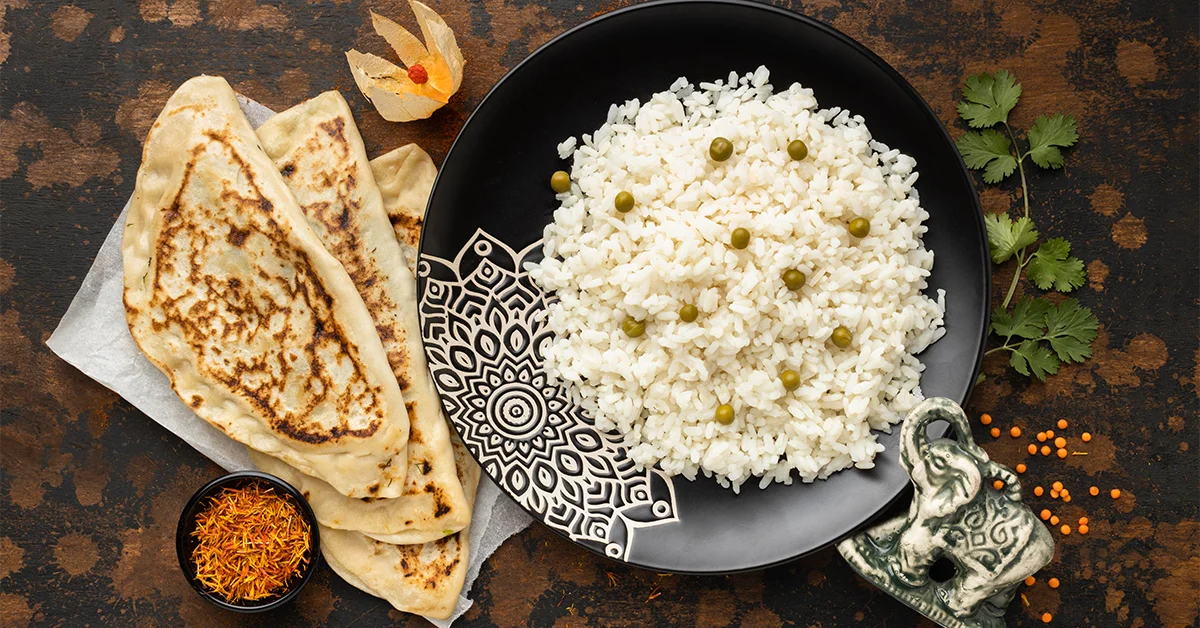

In today’s fast-paced world, where everyone is looking for quick and convenient meal options, rice remains one of the most beloved staples across the globe. But not all rice is created equal. Traditional white rice, while delicious, can cause sudden spikes in blood sugar, making it a less ideal choice for those watching their health or managing diabetes. This is where low glycemic rice comes into the picture—a healthier alternative that allows you to enjoy your favorite meals without compromising your well-being.
we will explore the numerous benefits of low glycemic rice, how it affects your health, and why it should become a part of your everyday diet. Whether you are a health enthusiast, a person managing blood sugar, or someone simply curious about better food choices, this guide is for you.
ALSO READ: Why The Meek Shall Inherit The Earth In Today World
What Is Low Glycemic Rice?
Before diving into the benefits, it’s important to understand what low glycemic rice actually is.
Low glycemic rice refers to rice varieties that have a low glycemic index (GI). The glycemic index measures how quickly a carbohydrate-containing food raises blood sugar levels after consumption. Foods with a low GI (55 or below) release sugar slowly into the bloodstream, providing a steady supply of energy without causing sudden spikes in blood glucose.
Some common examples of low glycemic rice include:
- Basmati rice
- Brown rice
- Black rice
- Red rice
- Wild rice
In contrast, white rice typically has a higher glycemic index, which can result in rapid spikes and crashes in blood sugar.
The Health Benefits Of Low Glycemic Rice
Switching to low glycemic rice can have profound effects on overall health. Let’s take a closer look at the major benefits.
Helps in Blood Sugar Management
One of the most significant advantages is its ability to help manage blood sugar levels. When consumed, it releases glucose slowly, preventing sharp spikes in blood sugar. This is particularly beneficial for:
- People with diabetes
- Those at risk of prediabetes
- Individuals aiming to maintain steady energy levels
A controlled blood sugar level reduces the risk of complications like insulin resistance and type 2 diabetes.
Promotes Weight Management
Low glycemic rice can also aid in weight management. Foods with a low GI help you feel fuller for longer because they provide sustained energy. By preventing hunger pangs and reducing overeating, incorporating into meals can support healthy weight loss or maintenance.
Additionally, low glycemic foods encourage fat metabolism over sugar metabolism, which can further assist in weight management.
Supports Heart Health
Heart health is another area where low glycemic rice shines. Consuming low GI foods has been linked to lower cholesterol levels and reduced risk of heart disease. Unlike high GI foods, which may increase triglycerides and stress the cardiovascular system, low GI rice can help maintain healthy heart function over time.
Boosts Digestive Health
Many low glycemic rice varieties, like brown rice and black rice, are rich in dietary fiber. Fiber is essential for smooth digestion, helps prevent constipation, and supports a healthy gut microbiome. Moreover, fiber slows down the absorption of sugar, complementing the low glycemic property for better overall metabolism.
Provides Essential Nutrients
Low glycemic rice is not just about controlling blood sugar—it also packs essential nutrients. For instance:
- Brown rice: Rich in magnesium, phosphorus, and B vitamins
- Black rice: Contains antioxidants such as anthocyanins
- Red rice: Offers iron and vitamin E
These nutrients support immunity, energy production, and overall health.
Low Glycemic Rice vs. White Rice: What’s The Difference?
It’s important to understand why is considered healthier than traditional white rice.
| Feature | Low Glycemic Rice | White Rice |
|---|---|---|
| Glycemic Index | 50–55 (slow glucose release) | 70+ (rapid glucose release) |
| Fiber Content | High | Low |
| Nutritional Value | Rich in vitamins, minerals, antioxidants | Mostly carbohydrates, minimal nutrients |
| Satiety | Keeps you full longer | Less filling, may cause overeating |
| Blood Sugar Impact | Gradual rise | Sharp spike |
As you can see, low glycemic rice provides multiple health benefits that white rice simply cannot match.
How To Incorporate Low Glycemic Rice Into Your Meals
Making the switch doesn’t mean sacrificing taste. Here are some practical tips for including it in your daily diet:
Replace White Rice Gradually
Start by mixing with white rice. Over time, increase the proportion of low GI rice until it becomes your main choice.
Pair with Protein and Vegetables
Combining with lean proteins (like chicken, fish, tofu) and plenty of vegetables not only boosts nutrition but also further slows digestion and sugar absorption.
Try Different Varieties
Experiment with brown rice, black rice, or red rice to discover which flavors you enjoy most. Each variety has its own unique texture and taste.
Mind Your Cooking Method
Cooking methods can affect the glycemic index. Cooking rice with a bit less water and letting it cool slightly before eating can lower the GI even more.
Plan Balanced Meals
Low glycemic rice works best as part of a balanced meal. Include healthy fats, proteins, and fiber-rich vegetables for maximum benefits.
Who Can Benefit The Most From Low Glycemic Rice?
While everyone can enjoy the benefits, certain groups may find it especially helpful:
- People with diabetes: Helps maintain stable blood sugar.
- Individuals aiming for weight loss: Reduces hunger and supports fat metabolism.
- Heart-conscious individuals: Supports healthy cholesterol and cardiovascular function.
- Athletes and active individuals: Provides sustained energy without sudden sugar crashes.
- Anyone seeking healthier meals: Low glycemic rice is a nutrient-rich alternative to traditional white rice.
Common Myths About Low Glycemic Rice
There are a few misconceptions that can make people hesitant about switching:
All rice is bad for health
Not true! While white rice is high GI offers multiple health benefits and is a healthy carbohydrate source.
Low glycemic rice tastes bland
Many varieties, like basmati and black rice, are flavorful. Cooking with herbs, spices, and vegetables enhances taste naturally.
Only diabetics need low glycemic rice
Anyone can benefit from stable energy levels, better digestion, and improved heart health.
Brown rice takes too long to cook
Modern cooking techniques, including pressure cooking and soaking, can reduce cooking time significantly.
Tips For Buying And Storing Low Glycemic Rice
To make the most of low glycemic rice, consider the following:
- Check packaging: Look for whole-grain varieties without added flavoring or preservatives.
- Store properly: Keep rice in an airtight container in a cool, dry place.
- Cook in batches: Prepare rice in advance to save time during busy days.
Conclusion
Switching to low glycemic rice is a simple yet powerful step toward healthier meals. It offers steady energy, supports weight and blood sugar management, promotes heart and digestive health, and delivers essential nutrients. Whether you’re cooking for yourself or your family, incorporating can transform ordinary meals into a nourishing experience.
By making conscious choices about the type of rice you consume, you’re not only improving your health but also developing a sustainable eating habit that can benefit you long-term.
FAQs
What is low glycemic rice?
Low glycemic rice refers to rice varieties that have a low glycemic index, meaning they release sugar into the bloodstream slowly, helping maintain stable blood sugar levels. Examples include brown rice, basmati rice, black rice, and red rice.
Can low glycemic rice help with weight loss?
Yes. Low glycemic rice provides sustained energy and keeps you feeling full longer, reducing overeating and aiding weight management.
Is low glycemic rice suitable for diabetics?
Absolutely. Its slow glucose release helps regulate blood sugar levels, making it an excellent option for people with diabetes or prediabetes.
How do I cook low glycemic rice to retain its benefits?
Use less water, cook until slightly firm, and let it cool a little before eating. Pairing it with proteins and vegetables further supports blood sugar control.
Does low glycemic rice taste different from regular rice?
Some varieties have a nuttier or firmer texture, but when cooked properly and paired with other ingredients, it can be just as delicious as white rice.
ALSO READ: Smart City Data Management: Building Smarter Urban Futures