
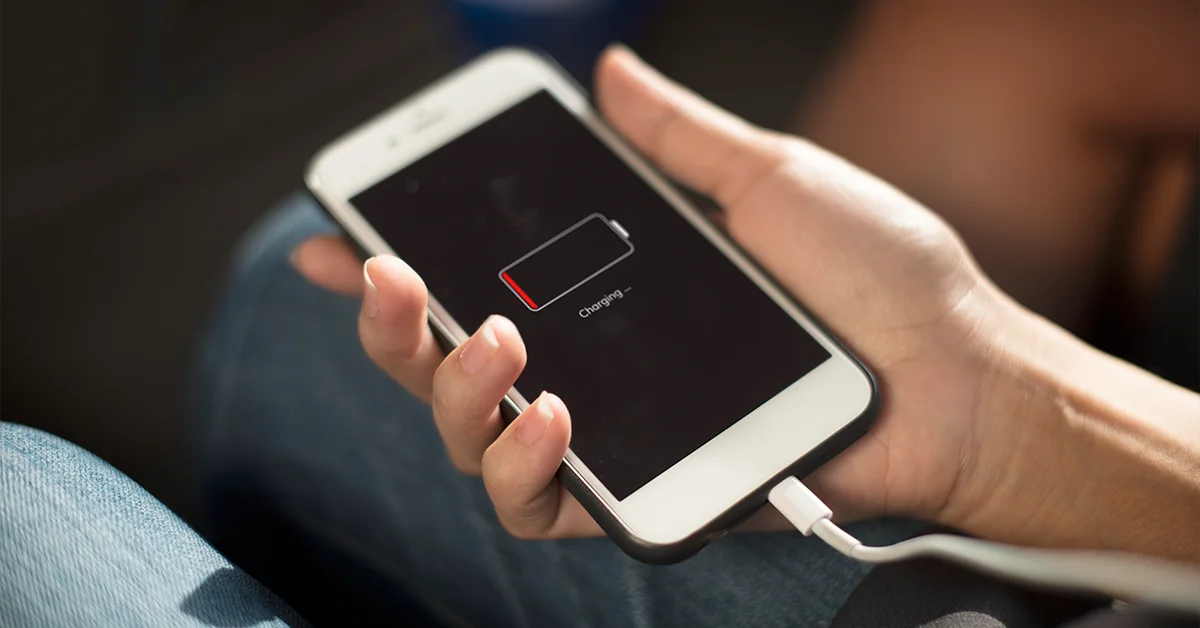

We’ve all had that moment: you wake up, sip your coffee, and already feel… flat. You go through your day pushing, dragging, doing the things, but there is a nagging emptiness, a fuzziness, a persistent Low Battery Low feeling inside you. Emotionally, physically, mentally: everything seems to ache for a recharge. It’s more than tiredness. It’s disconnection.
we’ll explore what it means to feel Low Battery Low, why it happens, how to recognize it early, and—most importantly—how to begin recharging yourself in a gentle, sustainable way. Let’s dig in.
ALSO READ: Diving Into The Drama Of The Nine Perfect Strangers Book
What Does Low Battery Low In Life Mean?
When your phone says Low Battery Low it’s a warning: do something. In life, a Low Battery Low feeling is the internal signal that you’re running on fumes. You don’t have as much reserve to deal with stress, challenges, or even simple day-to-day dealings.
Some signs of life feeling drained:
- Small tasks feel heavy, even mundane ones.
- You lose interest or joy in things you used to love.
- You feel irritable, impatient, or emotional over little things.
- You start withdrawing — socially, mentally, emotionally.
- Your physical body feels heavier: aches, fatigue, headaches.
It’s not simply being tired today. It’s a slower drain, a gradual depletion of your reservoir of energy, resilience, and enthusiasm.
In many ways, this metaphor of a Low Battery Low is apt: we expend energy in multiple domains—work, relationships, caregiving, planning—and without conscious rest and replenishment, we run dangerously low.
Why Do We Hit This Low Battery Low State?
Life isn’t a sprint. Still, many of us live as though it is. Here are some of the common reasons we find ourselves emotionally and mentally depleted:
Chronic Stress & Burnout
When stress becomes your default mode—constant deadlines, ongoing pressure, never-ending to-do lists—your nervous system is perpetually on. That drains your system. Eventually, you don’t even notice until your Low Battery Low is nearly dead.
Poor Self-Care Practices
Skipping rest, ignoring boundaries, or consistently sacrificing your needs for others chips away at your reserves. Good sleep, healthy nutrition, movement, mental rest—these aren’t luxuries; they’re foundational.
Emotional Overload
Loss, grief, conflict, disappointment—they all demand energy. Carrying emotional weight for long periods (without resolution, expression, or support) slowly eats away at you.
Disconnection from What Matters
If you’re stuck doing tasks that don’t align with your values, or you’ve lost touch with what gives you joy, your motivation dwindles. You show up for life, but something is missing—and your internal Low Battery Low leaks.
Lack of Boundaries
Saying yes too often, taking on too many roles, not resisting others’ demands—all of this gradually erodes your energy. If every interaction or responsibility pulls from you, you’ll burn out.
Neglecting Micro-Rest & Recovery
We often think rest means doing nothing for hours. But micro-rests—pauses, mini-breaks, moments of silence—are vital to maintain our energy throughout the day.
Recognizing The Early Warnings
Before your internal Low Battery Low is nearly dead, there are flickers of warning. Recognizing them early gives you the chance to course‑correct. Watch for:
- Recurring irritability or cynicism toward people or tasks.
- Sleep problems — either oversleeping or restless nights.
- Emotional volatility over small triggers.
- Lack of creativity or mental fog where thinking feels sluggish.
- Frequent sick days, minor colds, or feeling run‑down.
Catch those warning signs and treat them not as inconveniences, but as invitations to slow down, pause, and re-evaluate.
How To Start Recharging Yourself
Recharging isn’t a one-shot reset. It’s an ongoing practice—a dance between effort and rest. Here are strategies you can begin using today:
Rest with Intention
- Quality Sleep: Track your sleep patterns. Try to keep a consistent sleep schedule. Create a “wind-down” routine before bed (dim lights, no screens, soothing activities).
- Naps & Micro-Rests: Short naps (10–20 minutes) or even brief power breaks (closing your eyes, deep breathing) during the day can replenish your energy.
- Digital Detox Periods: Give your mind a break from constant stimulation by unplugging. No devices for a defined stretch.
Reclaim Small Energizers
- Nature breaks: Even 5–10 minutes in natural light, a walk, or fresh air can shift your mood.
- Movement: Gentle movement—stretching, walking, light exercise—activates circulation, shifts tension, and gives you energy.
- Mindful Pause: Breathe, meditate, or do a short reflection. The act of pausing can reset your internal state.
Nourish, Don’t Deplete
- Balanced nutrition: Focus on foods that sustain rather than deplete—lean proteins, complex carbs, healthy fats, hydration.
- Hydration & Breath: Often low energy is tied to dehydration or shallow, rushed breathing. Pause, take deep breaths, drink water.
- Gentle rest for digestion: After big meals, allow yourself rest (not necessarily sleep)—a book, quiet time.
Simplify & Delegate
- Trim the to-do list: Take a hard look at responsibilities. Which tasks can you drop, delay, or delegate?
- Set clearer boundaries: Learn to say “no” or “later” when your internal Low Battery Low.
- Batch tasks: Work in focused blocks, interspersed with rest, rather than spreading yourself thin.
Reconnect with Purpose & Joy
- Rediscover what energizes: What gives you a spark? Music? Art? Companionship? Reading? Find small doses of that and make space for them.
- Micro‑projects or rituals: A daily small ritual—a cup of tea in silence, journaling, sketching—for personal recharge.
- Evaluate alignment: Are some of your roles, habits, or commitments misaligned with what truly matters? If yes, adjust.
Seek Support & Expression
- Talk it out: Share your exhaustion with a trusted friend, therapist, or counselor. Voice gives form and release.
- Creative outlets: Writing, drawing, music, movement—these help you externalize internal load.
- Communities & rituals: Join a group or ritual that helps you feel seen, understood, recharged.
What To Do When You’re In The Deep Drain
When your Low Battery Low is nearly dead, you may be in crisis mode. Here’s a gentle plan:
Go easy—stop pushing. Recognize this is not laziness but a signal.
Hit reset: cancel nonessential commitments for a short time.
Rest deeply: allow yourself a longer rest period (weekend retreat, quiet days).
Start with micro-recoveries: even simple acts like lying down, breathing, sipping tea matter.
Rebuild gradually: begin with easy, energizing tasks—walking, journaling, connecting.
Plan ahead: build in buffers, rest days, recovery routines so you don’t relapse.
Why This Matters (Beyond Feeling Better)
Recharging yourself isn’t selfish or indulgent; it’s essential:
- Better relationships: When you’re emotionally full, you give from choice rather than depletion.
- Improved productivity: Rested minds think more clearly, make better decisions, and sustain energy longer.
- Health resilience: Chronic depletion compromises immunity, elevates stress hormones, and wears your body down.
- Sustained joy & creativity: Without inner reserves, it’s harder to notice beauty, act from flow, or create.
- Long‑term sustainability: You can’t run life like a car on fumes forever. Recharging is part of a sustainable rhythm.
Making Recharge A Habit — A Gentle Plan
Here’s a weekly template you can adapt:
| Day | Intentional Recharge Practice |
|---|---|
| Monday | 5-minute morning breath pause; 10-minute walk break |
| Wednesday | Midday micro-nap or eyes-closed pause; journal for 5 mins |
| Friday | Unplug evening after work; quiet reading |
| Weekend | Long nature walk, restorative activity, social rest |
| Daily | Hydration, boundaries, micro-rests, purpose check-ins |
Over time, these habits accumulate. You don’t need massive resets if you maintain small recharges.
What to Watch Out For: Traps & Myths
- If only I had more time… Waiting for later often means waiting forever. Today is the recharge day.
- Over-resting as avoidance: Rest is not a permanent escape. The goal is sustainable balance, not perpetual hibernation.
- Perfectionism about recovery: Your recharge doesn’t need to be Instagram‑cool—just real and grounded.
- Guilt for pausing: You matter too. If you’re drained, pressing on only deepens the problem.
Conclusion
Feeling Low Battery Low is a real, meaningful signal—not a badge of failure. It’s the nudge from your inner system telling you: you need care. Recognizing, respecting, and responding to that nudge is one of the kindest things you can do for yourself.
Recharge is not a one-time event but a lifelong conversation—with your body, mind, heart, and spirit. Start small, nurture simple habits, and build a rhythm of rest and recovery. When life feels just as drained, may you find your way back to fullness.
FAQs
What is the Low Battery Low feeling in life?
It’s the internal experience of depletion—emotional, mental, or physical—where your reserves feel drained, making even small tasks heavy or joyless. It signals that you need rest and reconnection.
How is Low Battery Low fatigue different from normal tiredness?
Normal tiredness is usually temporary (after a long day). Low Battery Low fatigue is chronic, permeating many parts of life, and doesn’t fully resolve with a single rest.
Can rest alone fix a low-battery state?
Rest helps, but recharging deeply often requires aligned habits: boundary setting, values alignment, emotional release, self-care practices, and sometimes external support.
What if I don’t know what energizes me anymore?
Start small. Revisit childhood joys, experiment with simple practices (music, art, nature), notice what feels lighter or more alive—even in small doses—and build from there.
Can seeking help (therapy, coaching) really support recharge?
Yes. Sometimes your internal Low Battery Low is low because of deeper patterns, grief, or unseen stressors. A supportive guide can help you untangle, heal, and rebuild sustainable energy rhythms.
ALSO READ: Inside The Panels: Exploring The Rise Of Reaper Scanlations