
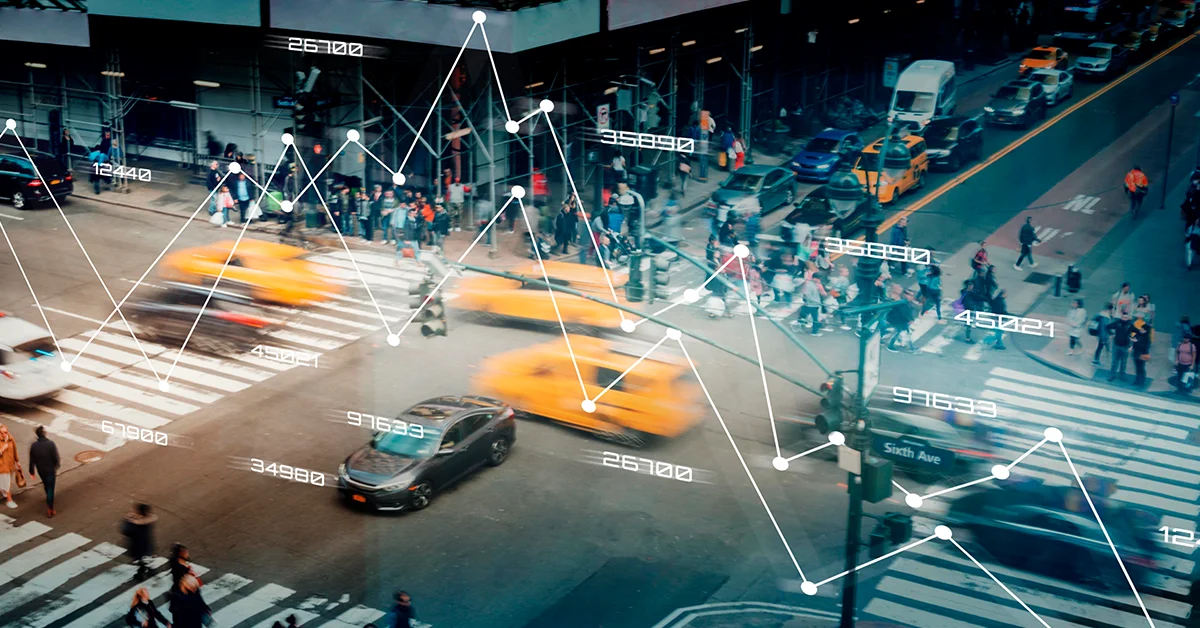

The world is becoming increasingly urbanized, with cities expanding at an unprecedented pace. By 2050, it is estimated that nearly 70% of the global population will live in urban areas. With this rapid growth, managing cities efficiently has become more critical than ever. This is where smart city data management comes into play. By leveraging data, technology, and innovative strategies, cities can enhance infrastructure, improve public services, and create a better quality of life for residents.
Imagine a city where traffic flows smoothly, energy is used efficiently, waste management is optimized, and public safety is enhanced — all because city administrators can access and analyze real-time data. This isn’t science fiction; it’s the reality that smart cities are building today.
we’ll explore the concept of smart city data management, its benefits, challenges, and how cities can harness data to build smarter urban futures.
ALSO READ: Decoding Decisions: The Power Of There Are Known Knowns
What Is Smart City Data Management?
Smart city data management refers to the collection, storage, analysis, and utilization of data generated within urban environments to improve city operations and the quality of life for residents. In smart cities, data comes from various sources such as sensors, IoT devices, cameras, social media, public transport systems, and even citizens themselves.
The goal is to use this data to make informed decisions, optimize city functions, and anticipate issues before they become major problems. Essentially, data becomes the backbone of city management, enabling administrators to create more efficient, sustainable, and resilient urban environments.
Why Data Management Is Crucial For Smart Cities
Data management is the engine that drives smart city initiatives. Without a proper system to collect, store, and analyze data, even the most technologically advanced city can fall short of its potential. Here’s why it’s essential:
Informed Decision-Making
City administrators rely on accurate and timely data to make critical decisions. For example, traffic congestion data can help authorities redesign road systems, while energy usage statistics can inform policies to reduce waste.
Efficient Resource Allocation
With insights derived from data, cities can allocate resources more efficiently. For instance, real-time water usage data can help prevent shortages, and predictive maintenance data can reduce infrastructure downtime.
Enhanced Citizen Services
Data-driven cities can offer better public services. From smart parking solutions to optimized waste collection schedules, data ensures that city services are responsive to real needs.
Sustainability Goals
Smart city data management plays a significant role in sustainability. By monitoring energy consumption, emissions, and water usage, cities can implement strategies to reduce their carbon footprint and meet environmental targets.
Key Components Of Smart City Data Management
Building an effective data management system for a smart city requires several key components. Each of these elements ensures that data is not only collected but also utilized in a meaningful way.
Data Collection
The first step in any smart city initiative is data collection. This involves gathering information from multiple sources, such as:
- IoT sensors (traffic, air quality, energy meters)
- Public transportation systems
- CCTV cameras
- Mobile applications and citizen feedback
- Social media platforms
The more comprehensive the data, the better the insights for city planning.
Data Storage
Storing massive amounts of data efficiently is critical. Smart cities often use cloud storage solutions or hybrid systems to ensure data is accessible, secure, and scalable. Data storage must also comply with privacy regulations to protect citizens’ personal information.
Data Analysis
Raw data is only useful if it’s analyzed correctly. Data analytics tools and artificial intelligence (AI) algorithms can identify patterns, predict trends, and provide actionable insights. For example, analyzing traffic patterns can help predict peak congestion times and suggest alternative routes.
Data Integration
Smart cities often have multiple systems running independently. Integrating these systems ensures that data from different sources can communicate and provide a holistic view of the city. This integration is crucial for seamless decision-making and coordinated urban management.
Data Security
With so much data being collected, security is a top priority. Protecting data from cyber threats, unauthorized access, and misuse is essential to maintain public trust and ensure compliance with data protection laws.
Applications Of Smart City Data Management
Smart city data management is not just about technology—it’s about real-world impact. Here are some practical applications:
Traffic and Transportation
By analyzing real-time traffic data, cities can manage congestion, optimize public transportation schedules, and reduce commute times. Smart traffic lights, GPS-enabled buses, and ride-sharing data all contribute to smoother transportation systems.
Energy and Utilities
Data from smart grids allows cities to monitor energy consumption and reduce wastage. Predictive analytics can prevent power outages, optimize energy distribution, and support renewable energy integration.
Waste Management
Sensors in trash bins can track fill levels, allowing waste collection to be scheduled more efficiently. This reduces operational costs and environmental impact.
Public Safety
Data-driven surveillance and predictive policing can help prevent crime and enhance emergency response. Real-time analytics from cameras and social media can alert authorities to potential threats before they escalate.
Environmental Monitoring
Air quality sensors, water monitoring systems, and climate data enable cities to implement strategies to combat pollution and climate change. This supports healthier living conditions and sustainable urban growth.
Citizen Engagement
Smart cities leverage data to improve communication with residents. Mobile apps and online portals allow citizens to report issues, access services, and participate in city planning, making governance more transparent and inclusive.
Challenges In Smart City Data Management
While the benefits are immense, managing smart city data comes with challenges:
Data Privacy Concerns
Collecting massive amounts of personal and behavioral data raises privacy concerns. Cities must implement strict policies to ensure data is anonymized and used responsibly.
Integration Issues
Bringing together data from multiple systems can be complex. Legacy systems may not be compatible with modern technologies, creating integration hurdles.
High Costs
Implementing a comprehensive data management system requires significant investment in technology, infrastructure, and skilled personnel.
Data Quality
Poor data quality can lead to inaccurate insights and flawed decisions. Cities must ensure that data is reliable, complete, and up-to-date.
Cybersecurity Threats
Smart cities are attractive targets for cybercriminals. Robust cybersecurity measures are essential to protect sensitive data and maintain trust.
Best Practices For Effective Smart City Data Management
To overcome challenges and maximize benefits, cities should adopt best practices:
Establish Clear Data Governance
Define who owns the data, how it can be used, and the security measures in place. Governance ensures accountability and consistency across the city.
Prioritize Data Security and Privacy
Implement encryption, access controls, and regular security audits. Transparency with citizens about data usage builds trust.
Use Advanced Analytics and AI
Leverage AI and machine learning to extract meaningful insights from large datasets. Predictive analytics can help anticipate problems and optimize city operations.
Foster Collaboration
Encourage collaboration between government agencies, private companies, and citizens. Open data initiatives can lead to innovative solutions for urban challenges.
Invest in Scalable Infrastructure
As cities grow, so does the volume of data. Investing in scalable storage and processing systems ensures the city can handle future demands.
The Future Of Smart City Data Management
The future of smart cities lies in even more advanced data management. Emerging technologies like 5G, edge computing, and blockchain will enable faster, more secure, and decentralized data processing. Cities will become increasingly proactive, using predictive insights to prevent problems rather than just reacting to them.
Imagine a future where:
- Traffic jams are virtually eliminated due to predictive routing.
- Energy consumption is fully optimized in real-time.
- Pollution levels are continuously monitored and controlled.
- Public services adapt dynamically to residents’ needs.
This is the promise of smart city data management — transforming urban living into a more efficient, sustainable, and citizen-focused experience.
Conclusion
Smart city data management is the backbone of modern urban development. By collecting, analyzing, and utilizing data effectively, cities can make informed decisions, optimize resources, enhance public services, and create a sustainable future. While challenges like data privacy, integration, and cybersecurity exist, adopting best practices ensures that cities can harness the full potential of data.
As urban populations continue to grow, the role of smart city data management will only become more critical. Cities that embrace these technologies and strategies today will be better equipped to meet the needs of tomorrow’s residents and build smarter, more resilient urban futures.
FAQs
What is smart city data management?
Smart city data management is the process of collecting, storing, analyzing, and using data generated within a city to improve infrastructure, public services, and the overall quality of life for residents.
How does data improve city services?
Data helps city administrators make informed decisions, optimize resource allocation, predict problems, and deliver services that are more responsive to residents’ needs.
What are the main challenges of smart city data management?
Challenges include data privacy concerns, system integration issues, high costs, data quality problems, and cybersecurity threats.
What technologies are used in smart city data management?
Technologies include IoT sensors, cloud storage, AI and machine learning, big data analytics, and advanced communication networks like 5G.
How can cities ensure data security and privacy?
Cities can ensure data security by implementing encryption, access controls, regular security audits, and transparent data governance policies that comply with privacy regulations.
ALSO READ: New Moon In Leo: Ignite Your Inner Fire And Start Fresh